
Electrical Enclosures for the naval and offshore sector: What the marine environment demands
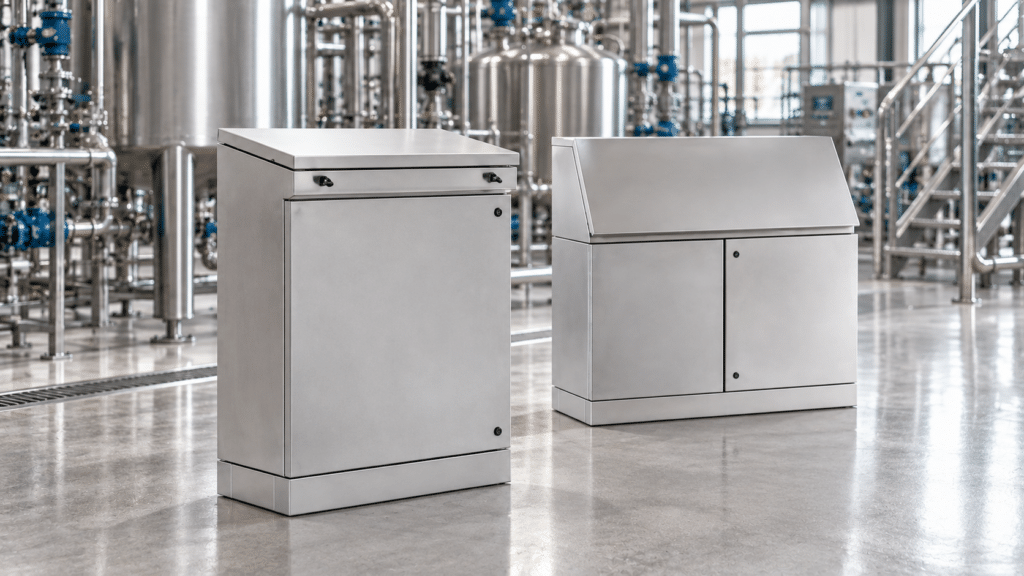
Few environments put an electrical enclosure to the test the way the marine environment does. Ports, vessels and offshore platforms combine constant salinity, high humidity, mechanical vibration and, in certain areas, the risk of explosive atmospheres.
Stainless Steel Control Desks: What to Consider Before Specifying One
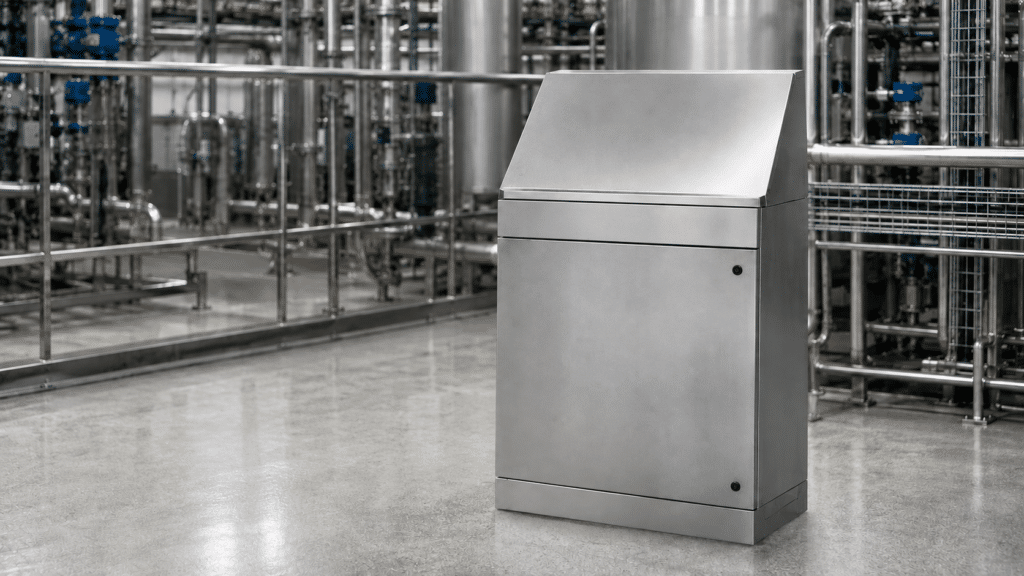
A control desk is, in many installations, the spot where the operator spends the most time standing in front of the machine or the line. That’s why its design isn’t a minor detail: the material, the tilt of the work surface, the protection rating and how easy it is to clean all shape both the ergonomics of the workstation and its real-world durability on the plant floor.
Electrical Enclosures for Water Treatment Plants: What to Demand from the Enclosure

A wastewater treatment plant (WWTP) or a drinking water treatment plant (DWTP) is no ordinary industrial environment. Chlorine, constant humidity, condensation, salt exposure in many cases if the plant is near the coast, and frequent washdown cycles all coexist in the same space as electrical panels that can’t afford to fail.
What IP Protection Rating Does Your Electrical Enclosure Need (and Why IP Isn’t Enough)
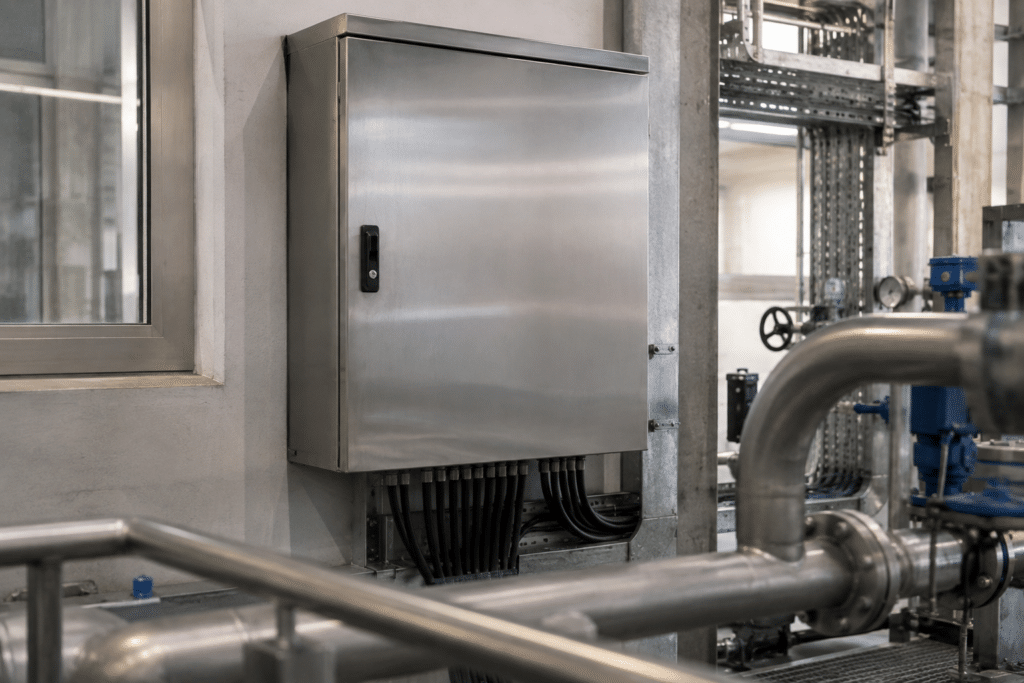
When choosing an electrical enclosure or cabinet, the IP protection rating is one of the first specs people check, and rightly so: it defines how well the enclosure protects against the ingress of solids and water. But it’s also one of the most commonly misunderstood specs.
The Day a Pharmaceutical Cleanroom Flagged a Non-Conformity
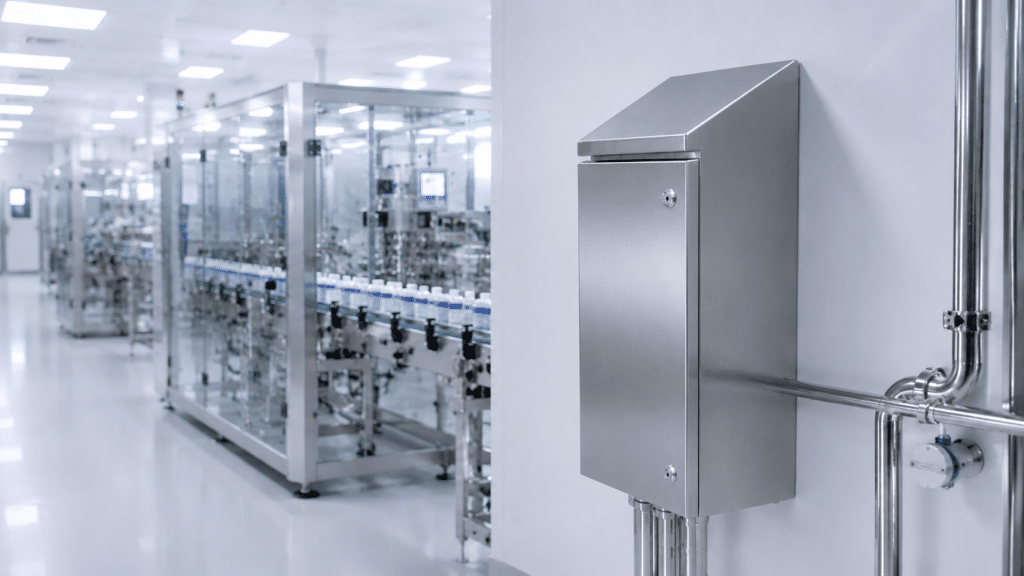
Some failures are seen coming, and some appear out of nowhere in the middle of an audit, with no one on the plant floor having noticed anything unusual beforehand. This case belongs to the second group, and it’s particularly uncomfortable because the item flagged as non-conforming had passed every incoming inspection months earlier without a single issue. On paper, it complied. In practice, not entirely.
Industrial electrical junction box: when to choose stainless steel and what IP rating you need
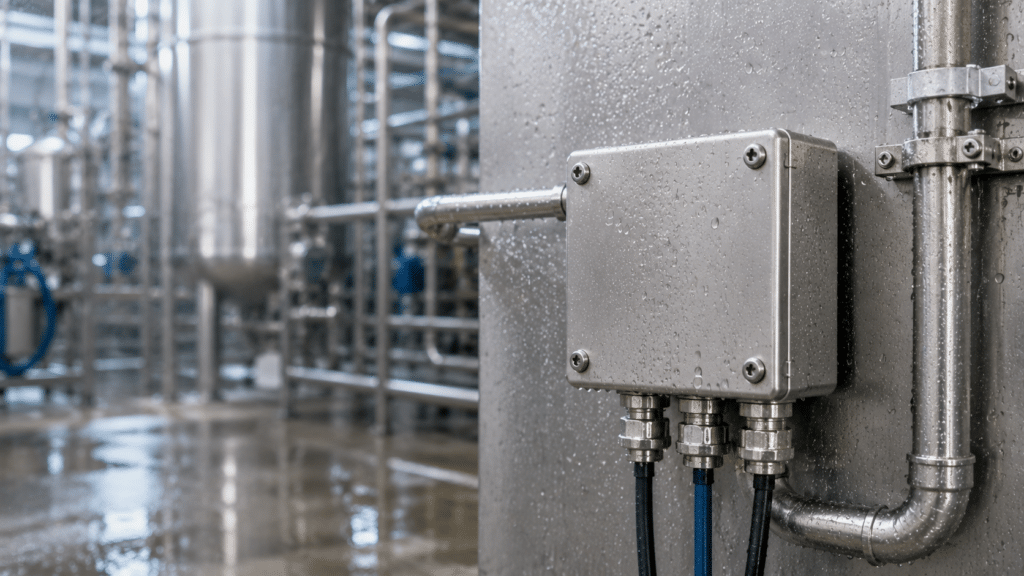
Junction box is one of those terms that gets ordered from a catalog almost out of habit, as if every junction box solved the same problem. In a residential installation, maybe that’s true. In an industrial environment, it isn’t: the same commercial label covers everything from a plastic box costing a few euros to a stainless steel unit with certified watertightness for pressure washing, and the difference between ordering one or the other isn’t about budget — it’s about whether the installation will still be working in three years without a failure caused by moisture.
Stainless steel control consoles and pedestals: a pre-purchase specification guide
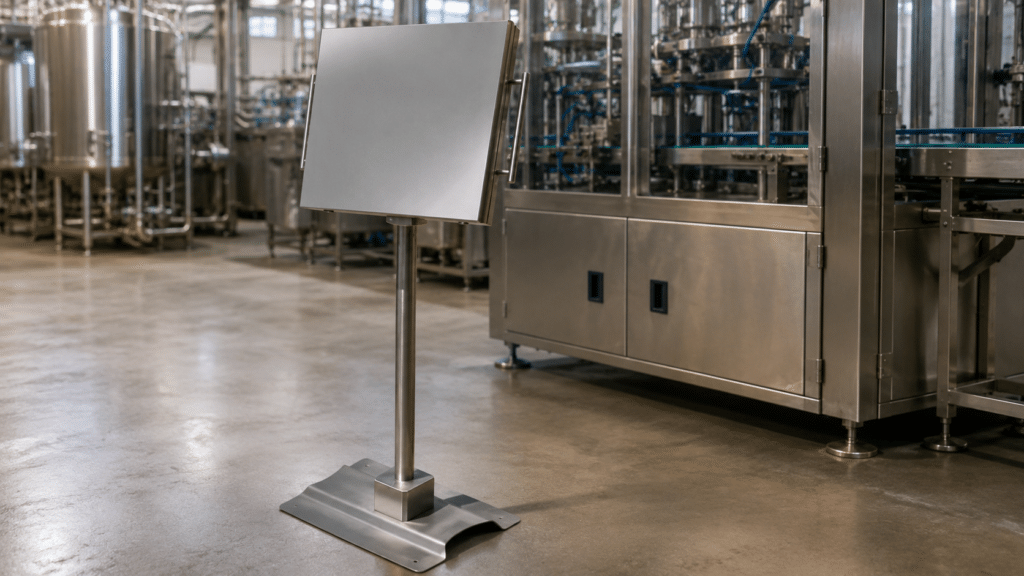
When searching for “stainless steel operator consoles” or “stainless steel control consoles,” the type of product needed is already clear. What is not always resolved is exactly what specifications are required to ensure the console fits the existing control system, meets the actual protection rating of the workstation, and avoids integration issues during installation. This guide covers these technical aspects, rather than providing a catalog description.
Modular or Monobloc Cabinets: Which to Choose Based on Your Facility’s Growth
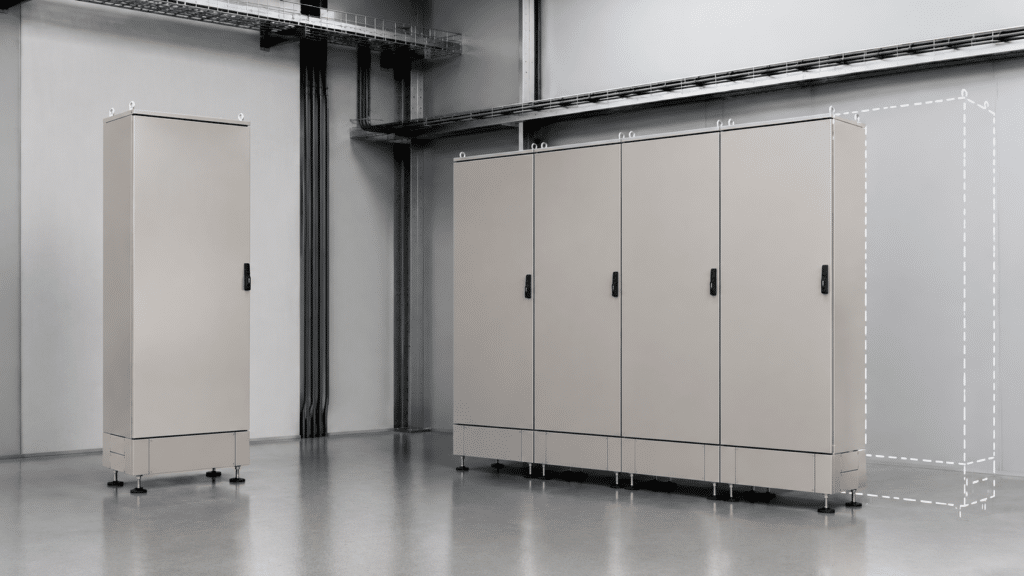
This decision doesn’t depend on material or protection rating, but on a question that is almost never asked during the purchasing phase: will this facility grow, and if it does, who will need to expand the electrical panel in three to five years? The answer determines whether a modular system justifies its higher initial cost, or whether a monobloc cabinet, cheaper and simpler, is the right choice.
Electrical Cabinet for the Chemical Industry: When ATEX Marking Is Mandatory
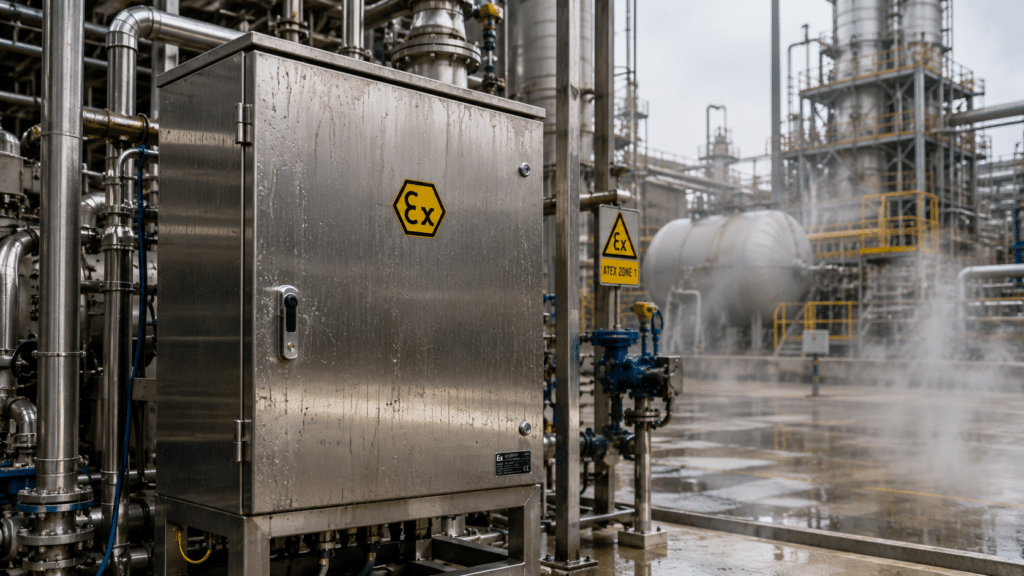
In the food industry, the challenge lies in cleaning: high-pressure water, CIP/SIP cycles, and chlorine. In the chemical industry, the challenge is different and often more demanding: corrosion from direct chemical contact and, in certain areas, the risk of explosive atmospheres caused by gases or vapors. Addressing both issues using the same specification criteria is the most common mistake—and the one that proves most costly in the medium term.
What Electrical Enclosure Does the Food Industry Need?
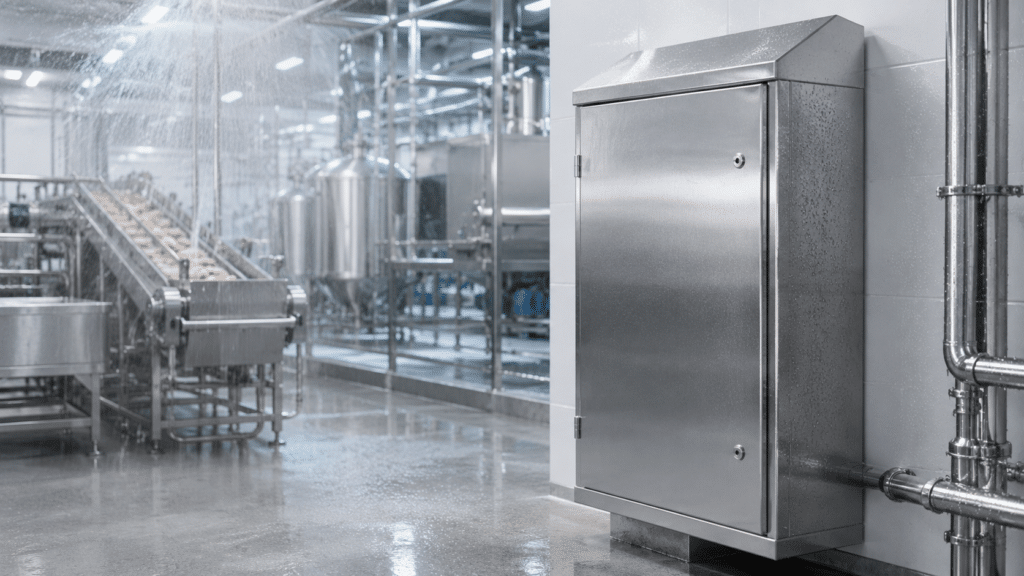
In a food processing plant, the electrical enclosure is not just another accessory: it is the element that sustains production continuity while also being the most vulnerable point against the harshest cleaning protocols of any industrial sector.